


Close Menu
ToolTechBlogToolTechBlog

    Subscribe to Updates

    Get the latest creative news from FooBar about art, design and business.

    What's Hot

    Fitbit Air vs. Whoop: Which screenless fitness tracker is better for you?

    October 26, 2026

    As a home tech expert, I beg you: don’t run these appliances on a power station

    October 26, 2026

    7 Engineering Patterns for Measuring Traffic From AI Search and Chat Tools

    October 26, 2026
    Facebook X (Twitter) Instagram
    ToolTechBlogToolTechBlog
    • Home
    • AI Tools
    • Web Hosting
    • Tech
    • Digital Marketing
    • Business Software
    • VPN & Cybersecurity
    ToolTechBlogToolTechBlog
    Home»Business Software»As a home tech expert, I beg you: don’t run these appliances on a power station
    Business Software

    As a home tech expert, I beg you: don’t run these appliances on a power station

    Tool Tech TeamBy Tool Tech TeamOctober 26, 2026No Comments4 Mins Read
    Facebook Twitter Pinterest Telegram LinkedIn Tumblr WhatsApp Email
    As a home tech expert, I beg you: don't run these appliances on a power station
    Share
    Facebook Twitter LinkedIn Pinterest Telegram Email

    ZDNET’s key takeaways

    • Some large or heat-producing appliances rapidly drain your power station.
    • Don’t waste precious battery capacity during an outage.
    • This list is a suggestion; you can technically run these appliances on power stations.

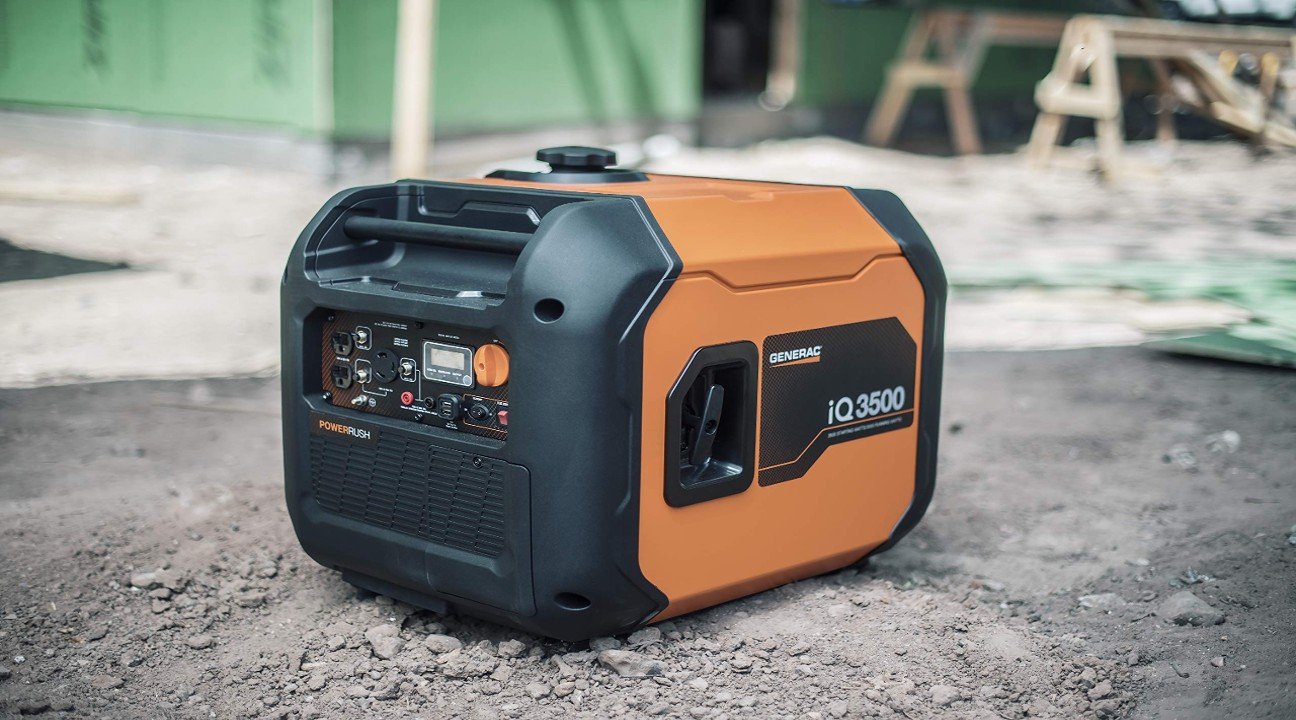
    Heavy-duty power stations are technically capable of powering HVAC systems or big appliances. During an outage, it can be tempting to test those claims — but just because you can do something doesn’t mean you should.

    Also: How to find the right power station for your needs – it isn’t all about capacity

    Don’t run these appliances on a power station

    There are some appliances I wouldn’t recommend running continuously on a power station, but that doesn’t mean you can’t. My suggestions are more about what I wouldn’t do, not what you can’t do. This isn’t a compatibility issue — it’s more of a recommendation.

    Also: Ugreen’s liquid-cooled power bank looks impressive, but does it actually work?

    Modern large power stations are designed and built to handle dryers, heat pumps, and even EV chargers. However, using the following devices on a power station can burn through your stored energy so quickly that it may defeat the purpose of having backup power.

    • Central HVAC:A central air conditioning system can draw between 3,000 and 5,500W, resulting in an enormous sustained energy load that’ll quickly drain your power station.
    • Heat-producing devices:The problem with heat-producing devices is that they require a lot of energy to turn it into heat. The heating element (or, in the case of large appliances like ovens, multiple heating elements) consumes power rapidly, which can drain your backup battery very quickly. Here’s a list of these heat-producing devices that I wouldn’t recommend running on a power station:
      • Electric clothes dryer
      • Electric water heater (tankless or not)
      • Hot tub or pool heater
      • Electric oven
      • Space heater
      • Electric fireplace
      • Heat pump

    What are some devices you should run on a power station?

    I recommend keeping certain devices connected to a power station at all times to avoid power interruptions. These include a modem and router to avoid internet interruptions (especially if you work from home), your refrigerator, and even your security cameras and systems.

    How do I use a portable battery or power station during an outage?

    If you have a backup system for power outages, prioritization is key. Make an emergency plan with a list of the essential devices that you want or need to keep running in the event of an outage, so you can plan your energy consumption.

    This list can include a refrigerator to keep food from spoiling, a modem to maintain an internet connection, fans to stay cool in hot months, and lamps to keep some lights on as needed. It can also include medical devices such as CPAP machines.

    Also: There are hundreds of power banks on the market, but this one is the fastest at recharging

    Planning how and when you’ll use these devices, and monitoring your real-time energy consumption, are important. If you have a smart system, you can use the manufacturer’s app to watch how long your battery can power some devices or how much energy is left.

    Why should you not use heat-producing devices with power stations?

    While you can use heat-producing devices with large power stations with compatible wattage, these devices can quickly consume all of your backup power. I’d keep the use of heat-producing devices connected to a power station on an as-needed basis, especially if you’re using them as a backup power source.

    As an example, a space heater that consumes 1,500W can consume the entire battery on a 2,000W in 80 minutes or less, which is less than ideal during an hours-long power outage.

    Also: I made a movable mount for my backyard solar panels, and it doubled their efficiency – how it works

    A refrigerator, in contrast, consumes a lot of startup power, but the compressor doesn’t continuously draw the unit’s rated maximum power. The compressors in fridges cycle to maintain a set temperature, unlike a space heater that stays on at all times.

    dont expert home Tech these
    Share. Facebook Twitter Pinterest LinkedIn Tumblr Email
    Tool Tech Team
    • Website

    Related Posts

    AI delivers ‘zero financial payoff’ to most companies, Apollo economist says

    October 25, 2026

    Your iPhone can spot scams for you with iOS 27 – but you have to opt in

    October 25, 2026

    The AI graveyard: a running list of projects and startups that didn’t make it

    October 24, 2026

    Android lets you ‘bubble’ apps for easy access now – how it works

    October 24, 2026

    Startups don’t need to go viral to win customers

    October 24, 2026

    TechCrunch Founder Summit 2026 roundtables: Go deeper on the challenges founders are solving right now

    October 23, 2026
    Leave A Reply Cancel Reply

    Top posts
    Tech

    Fitbit Air vs. Whoop: Which screenless fitness tracker is better for you?

    By Tool Tech Team
    Business Software

    As a home tech expert, I beg you: don’t run these appliances on a power station

    By Tool Tech Team
    Web Hosting

    7 Engineering Patterns for Measuring Traffic From AI Search and Chat Tools

    By Tool Tech Team
    Editors Picks

    Fitbit Air vs. Whoop: Which screenless fitness tracker is better for you?

    October 26, 2026

    As a home tech expert, I beg you: don’t run these appliances on a power station

    October 26, 2026

    7 Engineering Patterns for Measuring Traffic From AI Search and Chat Tools

    October 26, 2026

    The best apps for tracking your reading and discovering new books

    October 26, 2026
    About Us

    Welcome to ToolTechBlog, your trusted source for the latest insights, reviews, and practical guides on AI tools, business software, cybersecurity, web hosting, and consumer technology.
    Our mission is simple: to help individuals, entrepreneurs, freelancers, students, and businesses discover the right digital tools to improve productivity, streamline workflows, and make informed technology decisions.

    Our Picks

    Fitbit Air vs. Whoop: Which screenless fitness tracker is better for you?

    October 26, 2026

    As a home tech expert, I beg you: don’t run these appliances on a power station

    October 26, 2026

    7 Engineering Patterns for Measuring Traffic From AI Search and Chat Tools

    October 26, 2026
    Top Reviews

    The AI Hype Index: Unsexy AI

    July 29, 2026

    What it is and How to Fix it

    July 29, 2026

    LG to Ban Residential Proxies from Smart TV Apps

    July 29, 2026

    © 2026 tooltechblog.com. All rights reserved. Designed by DD.

    • About Us
    • Contact Us
    • Terms and Conditions
    • Privacy Policy
    • Disclaimer

    Type above and press Enter to search. Press Esc to cancel.